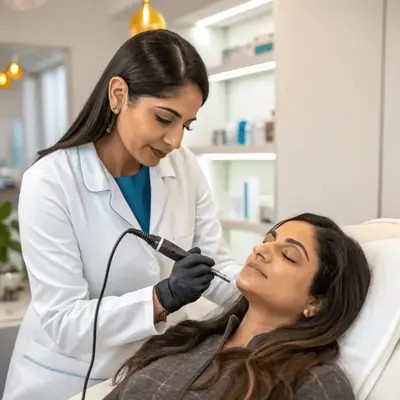
Skin problems such as acne, rashes, pigmentation, dryness, itching, and fungal infections are common and can affect people of different ages. A Skin Clinic in Shahdara can help identify the underlying cause of a skin concern and recommend an appropriate treatment plan. Instead of relying only on home remedies or random skincare products, professional evaluation can help determine whether the problem is related to acne, allergy, infection, inflammation, or another skin condition.
For fast information, directly chat with us on WhatsApp.
Why Visit a Skin Clinic in Shahdara?
The skin can react to many factors, including weather, pollution, hormones, allergens, infections, medications, and skincare products. Similar symptoms can sometimes have very different causes.
For example, itchy red bumps may be caused by an allergy, eczema, insect bites, or an infection. Likewise, small facial bumps may look like acne but can sometimes be related to folliculitis or other conditions. A dermatologist can examine the skin and determine the likely cause before recommending treatment.
A Skin Clinic in Shahdara can therefore be useful when symptoms are persistent, recurring, spreading, painful, or not improving with basic skincare.
Common Skin Problems Treated at a Skin Clinic
A dermatology consultation may cover a wide range of skin conditions. Some of the most common concerns include:
1. Acne and Pimples
Acne is one of the most common reasons people seek dermatological care. It may appear as blackheads, whiteheads, pimples, or deeper inflammatory lesions.
Treatment depends on the type and severity of acne. A dermatologist may recommend topical medicines, prescription treatments, or selected procedures when appropriate. Treatment may also focus on preventing new breakouts and reducing the risk of acne scars.
If acne continues despite over-the-counter products, consulting a Skin Clinic in Shahdara can help you understand the cause and choose a more suitable treatment approach.
2. Eczema and Dry, Itchy Skin
Eczema can cause dryness, itching, redness, irritation, and recurrent flare-ups. Symptoms can become worse because of certain skincare products, fragrances, weather changes, detergents, or other triggers.
Dermatologists may recommend moisturising routines, trigger management, topical medicines, or other treatments depending on the severity of the condition. Regular moisturising can also help support the skin barrier and reduce dryness.
A Skin Clinic in Shahdara can help determine whether persistent dryness and itching are related to eczema or another skin condition.
3. Fungal Skin Infections
Fungal infections can cause itching, redness, scaling, patches, or ring-shaped rashes. They may occur on different parts of the body and can sometimes be confused with other skin problems.
The correct treatment depends on the type and location of the infection. Antifungal medicines may be available as topical or oral treatments, but the appropriate option should be selected according to the diagnosis.
If a rash keeps returning or does not respond to self-treatment, visiting a Skin Clinic in Shahdara can help establish whether a fungal infection is actually responsible.
4. Pigmentation and Dark Spots
Uneven skin tone, dark spots, and pigmentation can develop due to acne, sun exposure, hormonal changes, inflammation, or other factors.
Treatment starts with identifying the possible cause. Depending on the condition, a dermatologist may recommend topical treatments, sun protection, or procedures such as chemical peels or laser-based treatments.
It is important to avoid using strong bleaching or steroid-containing products without medical guidance, as inappropriate use can sometimes worsen pigmentation or cause other skin problems.
5. Skin Allergies and Rashes
Skin allergies can cause redness, itching, swelling, bumps, or irritation. They may develop after exposure to cosmetics, fragrances, metals, detergents, medicines, or other substances.
A dermatologist can review the symptoms, timing, and possible triggers. Identifying and avoiding the responsible trigger may be an important part of managing certain allergic skin conditions.
How Does a Skin Clinic Diagnose Skin Problems?
Effective treatment usually begins with an accurate diagnosis. During a consultation, a dermatologist may ask about when the symptoms started, whether they are recurring, possible triggers, previous treatments, medications, and skincare products.
The skin may then be examined closely. Depending on the suspected condition, additional investigations may sometimes be required.
For example, dermatologists may use tools such as dermoscopy to examine certain skin lesions. In some cases, laboratory testing, skin samples, or a biopsy may be considered when the diagnosis is unclear.
This approach is important because treating the wrong condition can delay improvement.
What Treatment Options May Be Available?
Treatment varies according to the diagnosis, severity, age, skin type, and individual circumstances.
Depending on the condition, treatment may include:
- Prescription or non-prescription topical medicines
- Oral medicines when medically appropriate
- Moisturisers and barrier-supporting skincare
- Antifungal treatment for confirmed fungal infections
- Acne treatments
- Chemical peels for selected skin concerns
- Laser or light-based procedures for appropriate conditions
- Advice about skincare, sun protection, and trigger avoidance
Not every treatment is suitable for every person. For example, acne treatment can involve different combinations of topical or oral medicines depending on its severity and characteristics.
When Should You Consult a Skin Specialist?
Not every minor skin issue requires immediate medical attention. However, professional advice may be useful when a skin problem:
- Continues for several weeks
- Keeps coming back
- Becomes painful or swollen
- Spreads to other areas
- Causes significant itching or discomfort
- Leaves scars or persistent pigmentation
- Does not improve with basic skincare
- Changes in appearance or develops unusual features
Early evaluation can help identify the cause and prevent unnecessary experimentation with multiple products.
Choosing the Right Skin Clinic in Shahdara
When looking for a Skin Clinic in Shahdara, consider factors such as the qualifications of the treating dermatologist, the clinic’s approach to diagnosis, the range of dermatology services available, and whether treatment recommendations are explained clearly.
It is also useful to choose a clinic where treatment is based on your individual skin condition rather than a one-size-fits-all approach.
Remember that healthy skin does not necessarily mean using a large number of products. A simple routine based on cleansing, moisturising, and appropriate sun protection can be useful for many people. Specific skin conditions, however, may require medical treatment.
Conclusion
Common skin problems can have different causes even when their symptoms appear similar. Acne, eczema, fungal infections, pigmentation, allergies, and persistent rashes may require different approaches.
A Skin Clinic in Shahdara can help with professional evaluation, diagnosis, personalised treatment, and ongoing skin-care guidance. If a skin concern is persistent, recurring, uncomfortable, or affecting your daily life, consulting a qualified dermatologist can be a practical step toward understanding and managing the problem.
FAQs
1. What conditions can a Skin Clinic in Shahdara treat?
A skin clinic may evaluate and manage conditions such as acne, eczema, fungal infections, pigmentation, allergies, rashes, psoriasis, hair and nail concerns, and other dermatological problems. The exact treatment depends on the diagnosis.
2. When should I see a dermatologist for acne?
Consider consulting a dermatologist when acne is persistent, painful, severe, leaving scars, or not improving with appropriate over-the-counter skincare. A dermatologist can identify the type of acne and develop a suitable treatment plan.
3. Can a Skin Clinic in Shahdara treat fungal infections?
Yes. A dermatologist can evaluate symptoms that may indicate a fungal skin infection and recommend appropriate antifungal treatment when an infection is confirmed.
4. Can pigmentation be treated permanently?
The outcome depends on the cause of pigmentation. Some forms can improve significantly with appropriate treatment and sun protection, while others may recur. A dermatologist can help identify the underlying cause and discuss realistic treatment expectations.
5. Is professional skin treatment better than home remedies?
Home skincare may be helpful for basic skin maintenance, but persistent or unexplained symptoms may need professional evaluation. A dermatologist can determine the cause and recommend treatment rather than relying on an approach that may not be suitable for the condition.
For More Information, Visit Now: https://share.google/H2sq3ZBzaffLArABU.