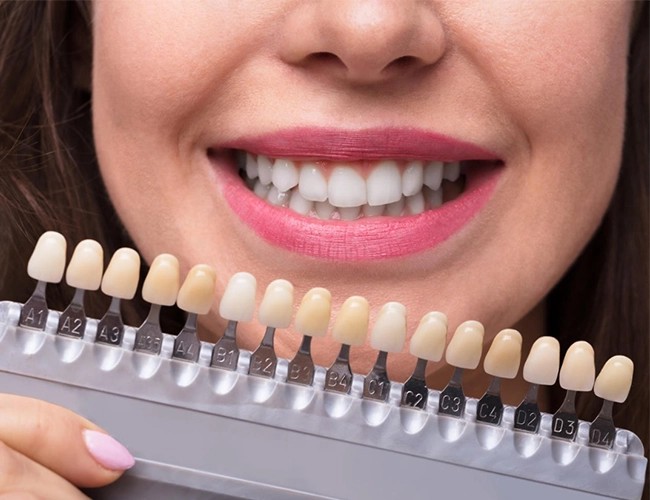
Maintaining healthy teeth and gums requires more than brushing twice a day. Regular dental check-ups help identify oral health problems before they become painful or difficult to treat. Visiting a Dental Clinic in East Delhi at regular intervals can help you prevent cavities, maintain healthy gums, and protect your smile for years to come.
Many people visit a dentist only when they experience toothache, bleeding gums, or sensitivity. However, several dental problems develop silently without noticeable symptoms. Routine check-ups allow your dentist to identify these concerns early and recommend suitable treatment.
So, how often should you schedule a dental appointment? The answer depends on your oral health, dental history, and individual risk factors.
For fast information, directly chat with us on WhatsApp.
How Often Should You Visit a Dental Clinic?
For many people, visiting a dentist every six months is a useful starting point for routine dental examinations. However, not everyone needs the same appointment schedule.
Your dentist may recommend more frequent visits if you have gum disease, recurring cavities, or other oral health concerns. People with consistently good oral health may need less frequent appointments, depending on their dentist’s assessment. The Indian Dental Association also highlights the importance of regular dental examinations and professional cleaning.
Therefore, when visiting a Dental Clinic in East Delhi, ask your dentist to recommend a schedule based on your individual needs. Following a personalised plan can help you maintain healthy teeth without missing important warning signs.
Why Are Routine Dental Check-Ups Important?
Routine dental visits are an essential part of preventive oral care. They help your dentist monitor changes in your teeth, gums, and overall oral health.
1. Early Detection of Tooth Decay
Tooth decay can begin before you notice pain or visible damage. During a check-up, your dentist examines your teeth for signs of cavities and other problems.
Early detection may allow treatment with a simple filling instead of a more complex procedure. This can help protect your natural teeth and reduce the risk of complications.
2. Prevention of Gum Disease
Healthy gums support your teeth and protect the surrounding tissues. However, plaque can build up along the gumline if it is not removed properly.
Common warning signs include bleeding during brushing, swollen gums, persistent bad breath, and gum tenderness. Regular examinations help identify these symptoms and determine whether professional cleaning or further treatment is necessary.
3. Professional Teeth Cleaning
Brushing and flossing are important, but they may not remove every deposit from your teeth. Over time, plaque can harden into tartar, which cannot be removed effectively with a regular toothbrush.
Professional cleaning helps remove these deposits and supports gum health. Your dentist can also advise whether you need cleaning more frequently than usual.
4. Monitoring Existing Dental Treatments
Fillings, crowns, bridges, and other dental restorations require regular monitoring. Your dentist can check whether they remain in good condition and identify signs of wear or damage.
If you have previously received dental treatment, routine appointments help your dentist assess your progress and recommend maintenance when needed.
Who Needs More Frequent Dental Check-Ups?
Although many people benefit from six-monthly visits, some may need more frequent appointments.
Consider discussing a personalised schedule with your dentist if you:
- Experience frequent cavities or repeated dental infections.
- Have gum disease or a history of periodontal problems.
- Have diabetes or another condition that affects oral health.
- Smoke or use tobacco products.
- Wear braces or have certain dental appliances.
- Experience persistent dry mouth due to medication.
- Have dental implants or complex restorative work that needs monitoring.
Children, older adults, and pregnant women may also have specific oral health needs.
A qualified dentist can assess these risk factors and recommend an appropriate schedule. Visiting a Dental Clinic in East Delhi regularly is particularly helpful when you need ongoing monitoring or preventive care.
What Happens During a Routine Dental Check-Up?
A routine dental appointment usually involves several steps. Knowing what to expect can make your visit more comfortable.
Examination of Teeth and Gums
Your dentist checks your teeth for cavities, cracks, sensitivity, and other visible concerns. The gums are examined for swelling, bleeding, and signs of gum disease.
Your dentist may also assess your bite and look for signs of tooth grinding or excessive wear.
Review of Your Dental History
You may be asked about previous treatments, current symptoms, medications, and changes in your general health. Sharing accurate information helps your dentist understand your needs.
Dental X-Rays When Necessary
X-rays are not required at every appointment. Your dentist may recommend them when they are clinically appropriate to examine areas that cannot be assessed adequately during a visual examination.
Personalised Oral Care Advice
Your dentist can explain how to brush correctly, clean between your teeth, and manage habits that may increase your risk of cavities or gum disease.
This advice helps you maintain your oral health between appointments.
Signs You Should Not Ignore Between Check-Ups
You should not wait for your next routine appointment if you develop new or persistent symptoms.
Contact your dentist if you experience:
- Toothache or pain while chewing.
- Bleeding, swollen, or tender gums.
- Persistent bad breath.
- Sudden tooth sensitivity.
- A chipped, cracked, or loose tooth.
- Mouth sores that do not heal.
Severe tooth pain, facial swelling, fever associated with a dental infection, or difficulty swallowing requires prompt medical or dental assessment. Difficulty breathing or swallowing with significant swelling is an emergency.
If you notice these symptoms, arrange an assessment at a Dental Clinic in East Delhi rather than relying on home remedies alone.
How to Maintain Oral Health Between Dental Visits
Your daily habits play an important role in keeping your teeth and gums healthy.
Follow these simple steps:
- Brush twice daily with fluoride toothpaste.
- Clean between your teeth daily using floss or suitable interdental cleaners.
- Limit frequent consumption of sugary snacks and drinks.
- Drink water regularly and maintain a balanced diet.
- Avoid tobacco products.
- Replace your toothbrush when the bristles become worn.
- Follow your dentist’s advice regarding professional cleaning and follow-up appointments.
Good oral hygiene reduces the risk of many common dental problems. However, it does not replace professional examinations.
Choose Regular Dental Care With Dant Suraksha
Your oral health deserves consistent attention, even when your teeth feel perfectly fine. Regular dental check-ups help detect problems early, support healthy gums, and allow you to make informed decisions about your treatment.
At Dant Suraksha, the focus is on helping patients understand the importance of preventive dental care and maintaining healthy smiles. If you are looking for a Dental Clinic in East Delhi, consider scheduling a routine consultation to discuss your oral health and the check-up frequency that suits your needs.
Remember, the right appointment schedule is the one recommended by your dentist after assessing your individual oral health.
Conclusion
Regular dental visits are an important part of long-term oral health. Although six-monthly check-ups are a common starting point, your dentist may recommend a different interval depending on your needs and risk factors.
Do not wait until discomfort affects your daily routine. Combine consistent home care with professional dental examinations to help prevent avoidable problems and maintain a healthy smile.
FAQs
1. How often should I visit a Dental Clinic in East Delhi for a routine check-up?
Many people benefit from a dental check-up every six months. However, your dentist may recommend more frequent or less frequent visits based on your oral health and risk of dental problems.
2. Can I skip a dental check-up if I have no tooth pain?
No pain does not always mean your teeth and gums are healthy. Cavities and early gum disease may develop without obvious symptoms, making routine examinations important.
3. Is professional teeth cleaning necessary if I brush twice daily?
Yes, it may be necessary. Brushing helps remove plaque, but hardened tartar usually requires professional removal. Your dentist can determine whether you need scaling and how often.
4. What is the difference between a dental check-up and teeth cleaning?
A check-up involves examining your teeth, gums, and overall oral health. Professional cleaning removes plaque and tartar deposits. Depending on your needs, your dentist may recommend both during your visit.
5. When should I visit a dentist before my next scheduled appointment?
Seek an earlier appointment if you develop toothache, bleeding gums, persistent sensitivity, swelling, or a damaged tooth. Severe swelling or difficulty breathing or swallowing requires emergency care.
For More Information, Visit Now: https://share.google/H2sq3ZBzaffLArABU.